
With mountain views, access to the Rio Grande, and outdoor recreation in nearly every direction, South Fork is an appealing place to build a custom home. Whether you’re planning a year-round residence or a mountain retreat, finding the right property is an important first step.
However, buying land near South Fork, CO, takes more than choosing a view and comparing acreage. Access, water, terrain, and development restrictions can all affect what you can build and how much it will cost.
At BWD Construction, we believe a successful custom home starts with thoughtful planning. Before you make an offer, these seven checks can help you understand whether a property fits your home, budget, and long-term plans.
1. Confirm the Property Boundaries and Who Regulates the Land
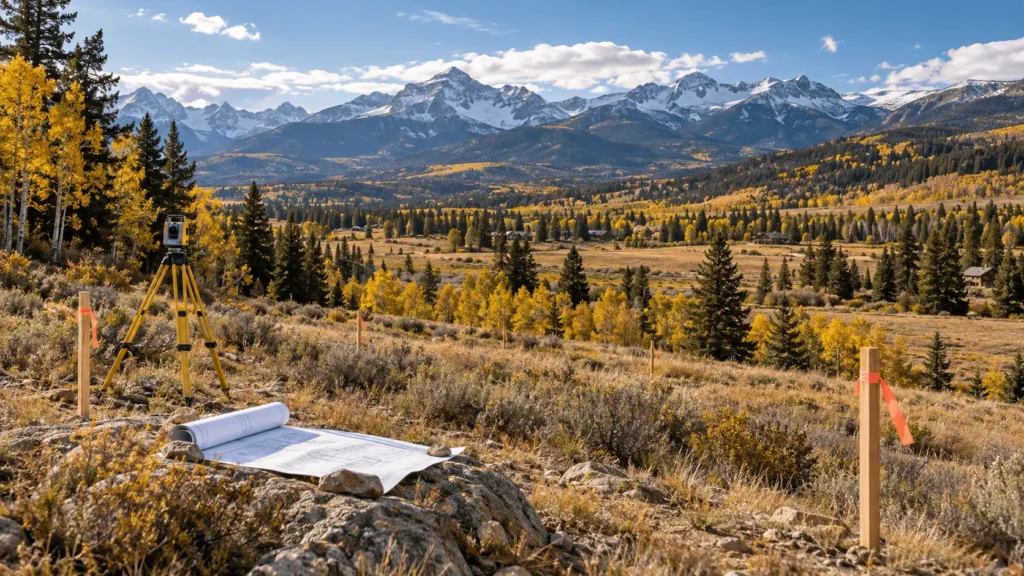
A South Fork mailing address doesn’t automatically mean a property is inside town limits. Start with the parcel number, legal description, and recorded plat to establish exactly what you’re buying.
For property within South Fork, confirm requirements with the Town. For nearby unincorporated property, identify the appropriate county, which may be Rio Grande County or Mineral County, depending on the location. Rio Grande County’s residential building packet specifically directs applicants to verify whether their project falls within South Fork’s limits.
Ask the relevant planning office whether the parcel is a legal building lot and whether your intended residential use is allowed. Review setbacks, recorded building envelopes, and easements that could limit the home’s location.
Have a surveyor establish or verify boundaries as needed. An online parcel map is useful for getting oriented, but don’t use it alone to position a driveway, fence, or foundation. Knowing the usable building area early helps you avoid planning a home that won’t fit.
2. Verify Legal Access and Practical Year-Round Access
Being able to drive onto a property during a showing is only part of the access question.
If the route crosses another owner’s land, have the title company or a real estate attorney review the recorded access rights. Clarify road ownership, maintenance agreements, and responsibility for repairs and snow removal.
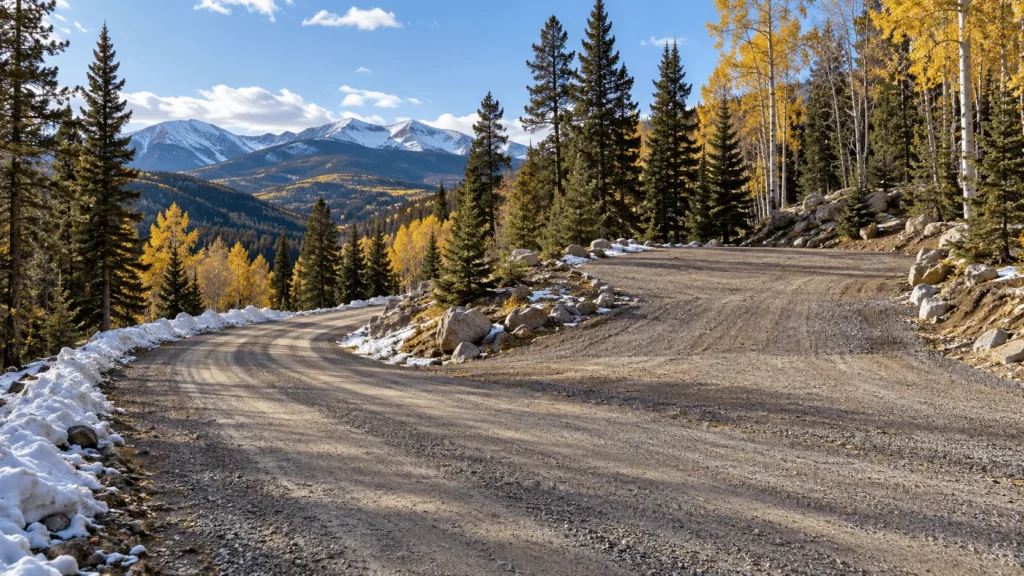
Then consider the physical route. Can concrete trucks, excavation equipment, and delivery vehicles reach the building site? Will the driveway require extensive grading, retaining walls, a culvert, or a bridge? A short driveway on a steep hillside can require more work than a longer driveway across gentler ground.
If the proposed entrance connects directly to a state highway, such as U.S. 160 or Colorado 149, check with CDOT or the designated issuing authority. Highway frontage does not automatically authorize a new driveway.
Ask the local fire district about emergency access, too. Driveway grade, width, overhead clearance, and turnaround space deserve attention before the home’s location is finalized. For winter living, also establish who plows the road and where snow can be stored without blocking access.
3. Understand the Terrain and Soil Conditions
An elevated lot can offer beautiful views, but the terrain will influence the design and construction budget.
Walk the proposed building area and consider how the house, garage, driveway, and outdoor spaces would connect. Look at the amount of excavation needed, where fill might be required, and whether retaining walls would be necessary.
A sloped property may suit a walkout basement. Another site may work better with a smaller footprint or a different garage orientation. The goal is to find a design that works with the land while keeping site preparation manageable.
Soil conditions need their own investigation. The Colorado Geological Survey identifies hazards such as expansive soils, collapsible soils, and landslides across the state; whether they affect a particular lot requires site-specific evaluation.
Ask a qualified geotechnical professional what investigation is appropriate for the property. Existing subdivision reports can provide background, but confirm whether they adequately address your proposed building location. A neighboring home’s foundation design should not be treated as proof that the same solution will work on your lot.
4. Establish a Reliable, Legally Available Water Supply
Water is one of the most important questions to resolve when buying land around South Fork.
First, determine whether the property can connect to a public or community drinking-water system or would need a well. If a provider serves the area, request written confirmation of service availability, connection requirements, and applicable fees for the specific parcel.
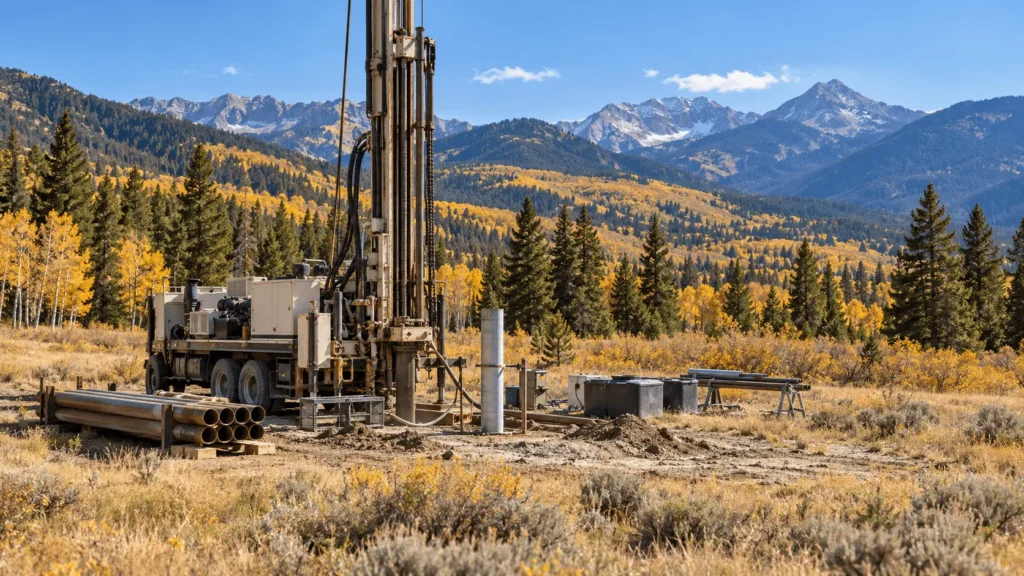
If the property needs a well, investigate permit eligibility through the Colorado Division of Water Resources. A neighboring well does not guarantee that a permit can be issued for your land. DWR states that it cannot guarantee issuance before completing its evaluation of a permit application.
For an existing well, obtain the permit and available construction records, confirm allowed uses, and arrange appropriate yield and water-quality testing. Outdoor watering may be restricted even when indoor household use is authorized.
Within South Fork, also ask about applicable water augmentation requirements—arrangements intended to replace water use that would otherwise affect other water rights. The Town publishes a specific ordinance addressing augmentation coverage. Confirm what documentation, coverage, and ongoing costs apply to the parcel rather than assuming an existing well resolves every water question.
5. Check Sewer, Septic, Power, and Internet Individually
“Utilities available” is a starting point for questions, not a complete description of a build-ready property.
Check each service separately. The South Fork Water and Sanitation District describes its system as a community sewer system, so confirm drinking water independently.
For sewer, ask whether the parcel is within the service area, whether a connection is available, and what installation work and fees remain. If sewer is unavailable, determine whether an onsite wastewater treatment system, commonly called septic, can be approved.
A septic evaluation should consider soils, slope, groundwater, required separation distances, and the proposed home’s capacity needs. The system’s location may also affect where you can place the house, driveway, or well.
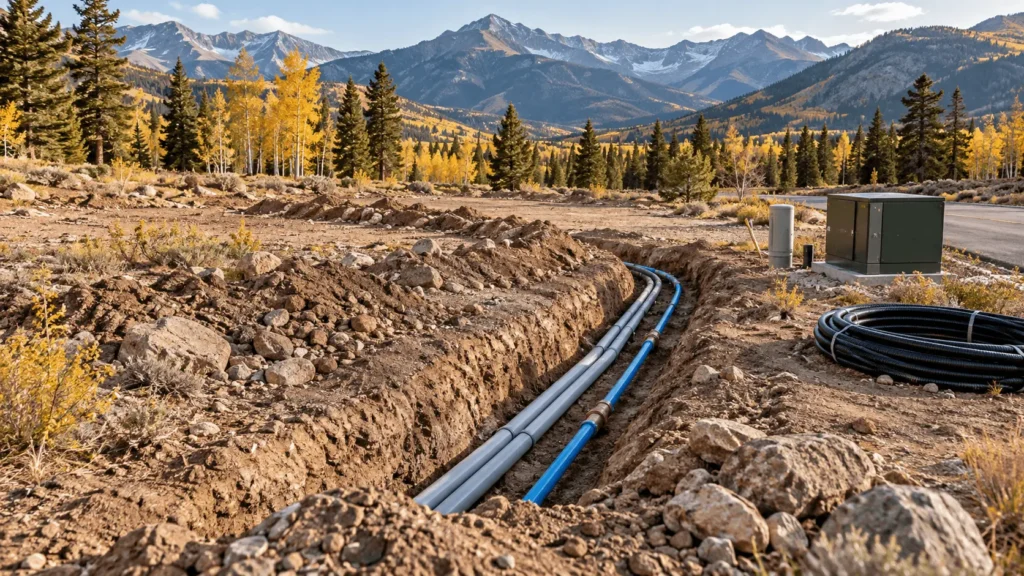
For electricity, request an estimate covering the route to the actual building site. A nearby power line doesn’t tell you the cost of trenching, equipment, easements, or extending service.
Check internet and heating fuel options with the same care. If you plan to work remotely, verify service at the parcel rather than relying on a general coverage map. Request provider estimates early enough to include them in your purchasing decision.
6. Look Closely at Drainage and Flood Exposure
River access and creek views are part of South Fork’s appeal. They also make it important to understand how water moves through and around a property.
Review the parcel using FEMA’s Flood Map Service Center, then discuss the proposed building location with the local floodplain administrator. Check the driveway and utility routes as well as the house site. A home location that appears suitable may still depend on access through a lower area.
Beyond mapped flood hazards, look for drainage channels, erosion, low spots, and signs of seasonal ponding. Ask how snowmelt and storm runoff reach the property from uphill land or nearby roads.
A dry showing day can leave those conditions easy to overlook. If possible, visit during different conditions and ask for any available drainage studies or history of water problems.
Have the site plan address grading and drainage before committing to a foundation location. If wetlands, stream crossings, or changes to a watercourse may be involved, investigate the applicable approvals before assuming you can fill, reroute, or build across them.
7. Read Subdivision Restrictions and Check That Your Plans Fit
Government zoning is only one part of the picture. Recorded covenants and subdivision rules may establish additional requirements for the home and property.
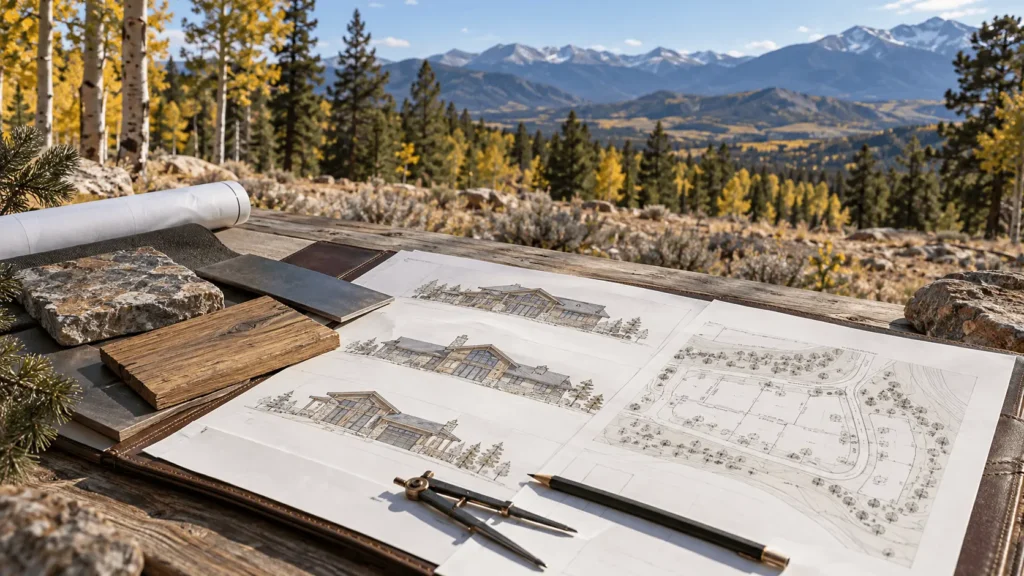
Request the current covenants, amendments, architectural guidelines, fee schedule, and relevant association documents. Review them alongside the recorded plat and title materials.
Depending on the subdivision, restrictions may address:
- Minimum home size, building height, and exterior materials.
- Architectural review and construction deadlines.
- Garages, outbuildings, fencing, and RV storage.
- Short-term rentals and other property uses.
- Road maintenance, association dues, and assessments.
If rental income is part of your plan, verify current government requirements and private restrictions separately. Don’t rely solely on how a nearby property is being used.
Also consider whether the lot allows room for practical wildfire preparation. Colorado State Forest Service guidance addresses both the home’s construction and the surrounding vegetation. Ask the fire district about site-specific concerns and an insurance professional about coverage availability early.
Finally, combine these findings into a realistic site-development budget. A lower purchase price can lose its advantage if access, utilities, drainage, or foundation work require substantial additional investment.
Make the Land Part of Your Home-Building Plan
Before making an offer, gather the documents already available and identify the questions that still need professional review. Some investigations may require seller permission or time under contract. Work with your real estate professional or attorney to structure appropriate due-diligence terms and deadlines.
The right property should support the home you want while leaving room in the budget for construction, site work, and the details that make everyday mountain living comfortable.
At BWD Construction, we bring thoughtful planning, dependable communication, and quality craftsmanship to the custom home process. If you’re planning to build near South Fork, contact our team to discuss a custom home consultation. Let’s talk about your goals and what it will take to bring them to life.