
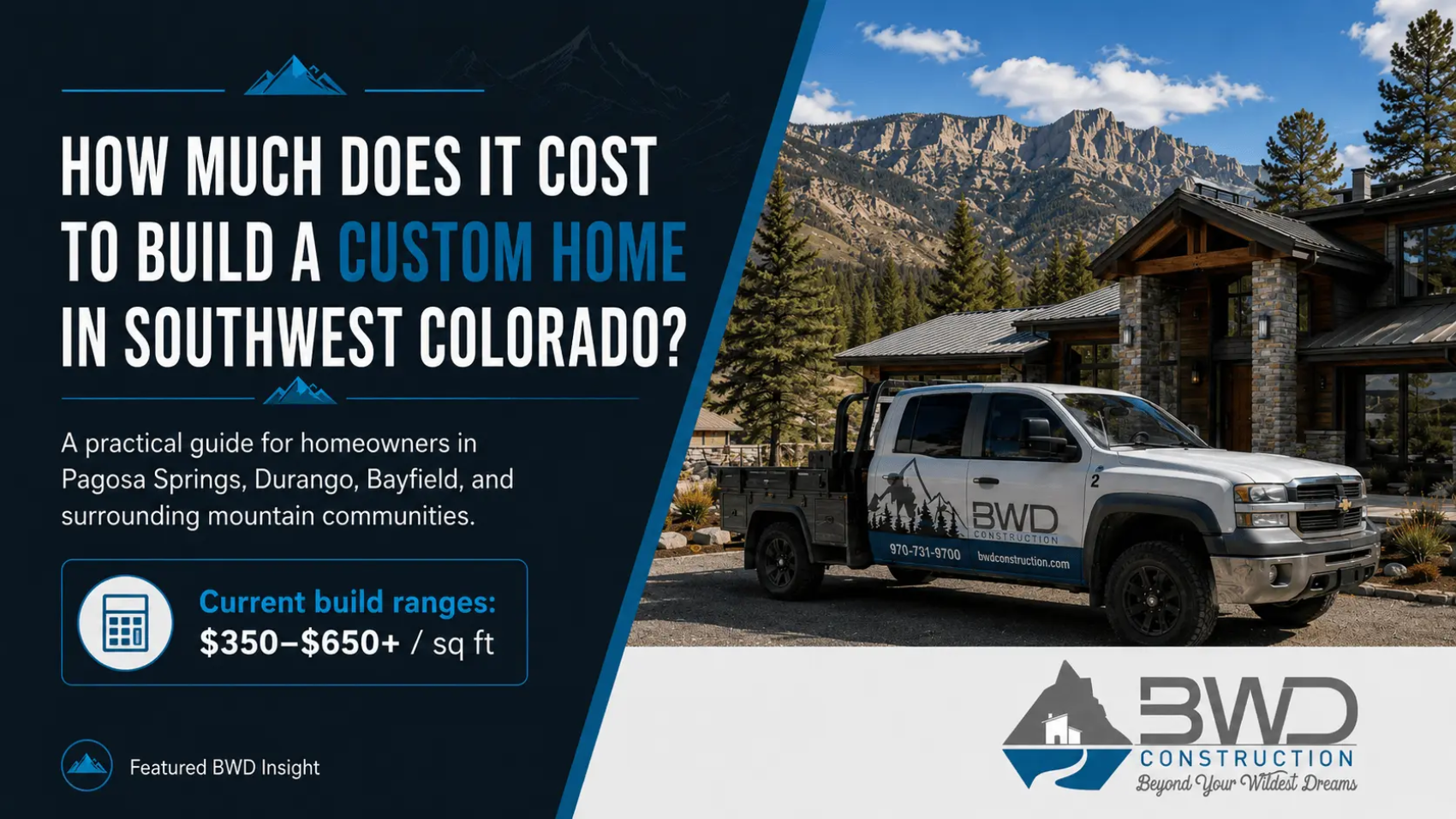
Southwest Colorado is one of those rare places where the setting can completely reshape the way you want to live. Between the San Juan Mountains, wide-open views, four distinct seasons, and outdoor access that feels hard to match anywhere else, it is easy to understand why so many homeowners start dreaming about a custom home here.
The short answer
But if you are in the early planning stages, one of the first questions is usually the biggest one: how much does it actually cost to build a custom home in Southwest Colorado?
The honest answer is that there is no single number that fits every project. In today’s Southwest Colorado market, current local builder guidance puts standard custom homes at roughly $350 to $450 per square foot, premium mountain homes at $450 to $550 per square foot, and luxury custom homes at $550 to $650+ per square foot. Some simpler custom homes in the Pagosa Springs area may start lower, but once you begin layering in mountain-ready engineering, high-performance insulation, durable exterior materials, and more detailed finishes, most serious custom budgets climb quickly.
That means a 2,500-square-foot custom home can easily land around $875,000 to $1.125 million for the house itself, before you add the land and many of the site-specific expenses that come with building in this part of Colorado. If you are planning a larger or more architectural home with premium finishes, radiant heat, custom cabinetry, or major glass packages, the number can go much higher.
The lot matters
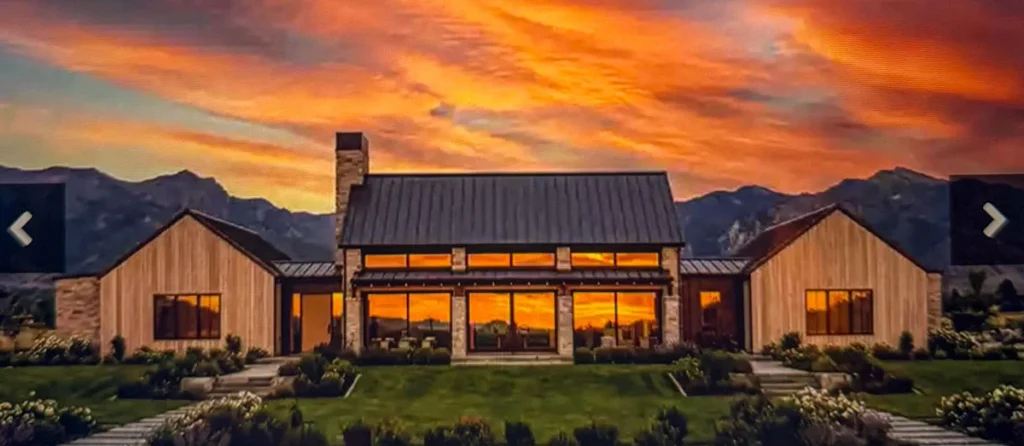
One of the biggest reasons costs vary so much here is that building in Southwest Colorado is not just about the floor plan. It is about the lot. A beautiful mountain parcel may also come with slope, rock, limited access, tree clearing, drainage challenges, or the need for longer utility runs.
The excavation alone on rugged lots can cost $30,000 to $60,000 before a footing is poured. Wells can run $15,000 to $40,000, engineered septic systems can range from $15,000 to $30,000, steep driveways can cost $20,000 or more, and if you hit rock near the surface, blasting can add another $10,000 to $25,000.
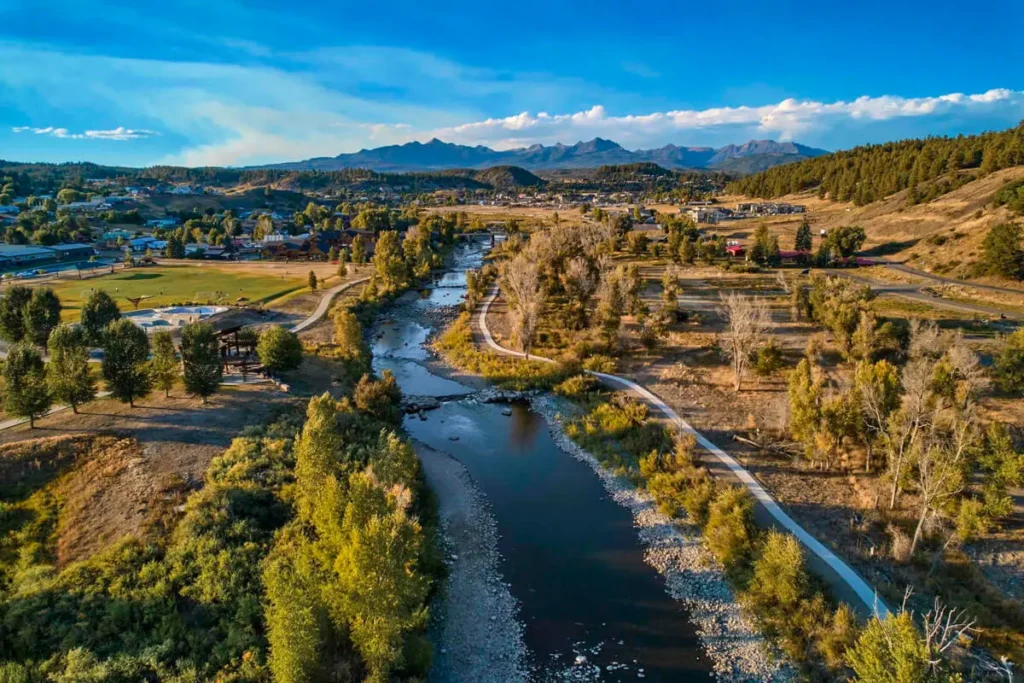
Utilities are another major fork in the road. If your property is on municipal water and sewer in the Pagosa Area Water and Sanitation District, the current published fees for a typical single-family connection total about $28,973 before any separate tap fee or main-line extension costs.
On the other hand, if you are building outside town or on a more rural parcel, you may be looking at a well and septic instead. Neither path is automatically “cheap.” They are just different budget categories, and it is important to know which one applies to your property before you assume anything about total cost.
Permits costs
Permits and code requirements matter too, especially in mountain communities that are constantly balancing safety, resilience, and long-term performance. In Pagosa Springs, building applications submitted on or after July 1, 2026 are subject to the Colorado Wildfire Resiliency Code, and the Town has also adopted the 2024 energy code and the Colorado electric-ready and solar-ready code.
La Plata County has adopted its own updated 2024 code package as well. In practical terms, that means material choices, defensible-space planning, energy efficiency, and certain design details may affect both your approval path and your budget.
Timing can make a difference
Timing is part of the equation as well. Pagosa Springs sits at 7,126 feet, and the weather can change quickly in the mountains. Many new builds take 6 to 18 months, depending on the lot, the complexity of the home, and the season when work begins.
Foundation work, framing, utility scheduling, and exterior progress all become more complicated when winter weather arrives early or site access is limited. That is one reason local professionals often recommend carrying a 10% to 20% contingency in your overall budget.
There are four cost categories
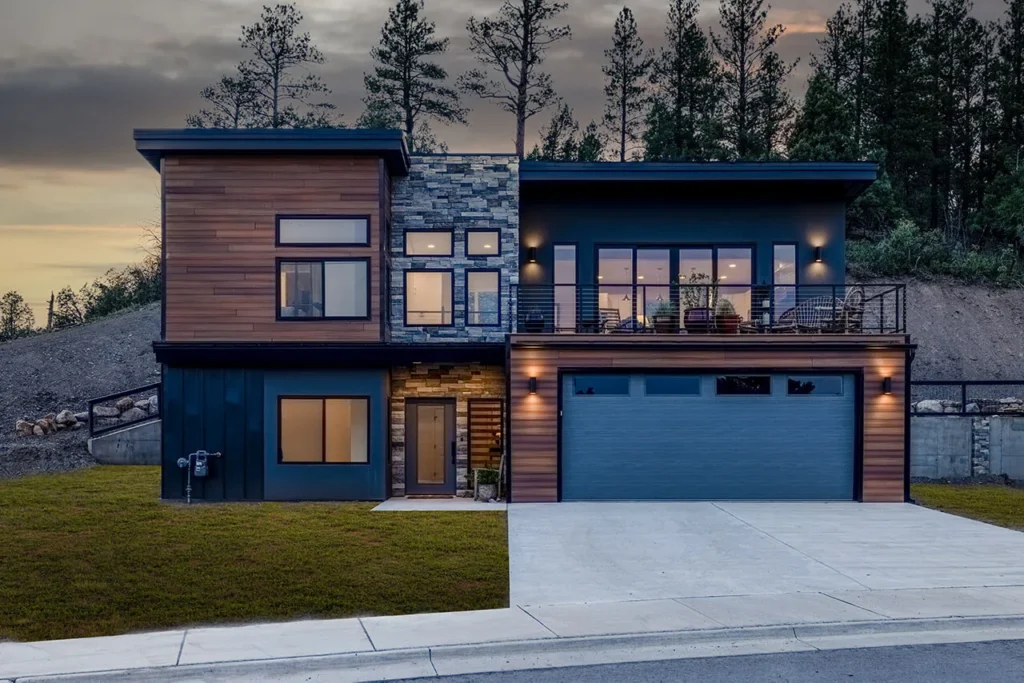
So what is the best way to think about cost before you start? In our experience, it helps to break the budget into four separate buckets: the house itself, the site work, the utility path, and the permit/code path.
When those pieces are separated early, it becomes much easier to understand whether you are looking at a manageable project, a stretch project, or a lot that makes less financial sense than it first appeared.
BWD tip on the matter
Building a custom home in Southwest Colorado can absolutely be worth it. You get to design for the views, the climate, your lifestyle, and the way you want to live for years to come. But the smartest projects usually start with realism, not just inspiration.
The more clearly you understand the site, the utility needs, the local code environment, and the true construction range from day one, the more smoothly the rest of the process tends to go.
If you are ready to start planning your custom home in Pagosa Springs, Durango, Bayfield, or the surrounding Southwest Colorado communities, working with a builder who understands local terrain, permitting, utilities, and mountain construction can make all the difference. A strong estimate is not just about square footage. It is about knowing what your lot will ask of the build before construction ever begins.
[…] article on the cost factors behind a custom home in Southwest Colorado explores these considerations further. Your South Fork budget should still be developed around your […]